
14 May 2026
How to Keep Pigeons Off Your Balcony for Good
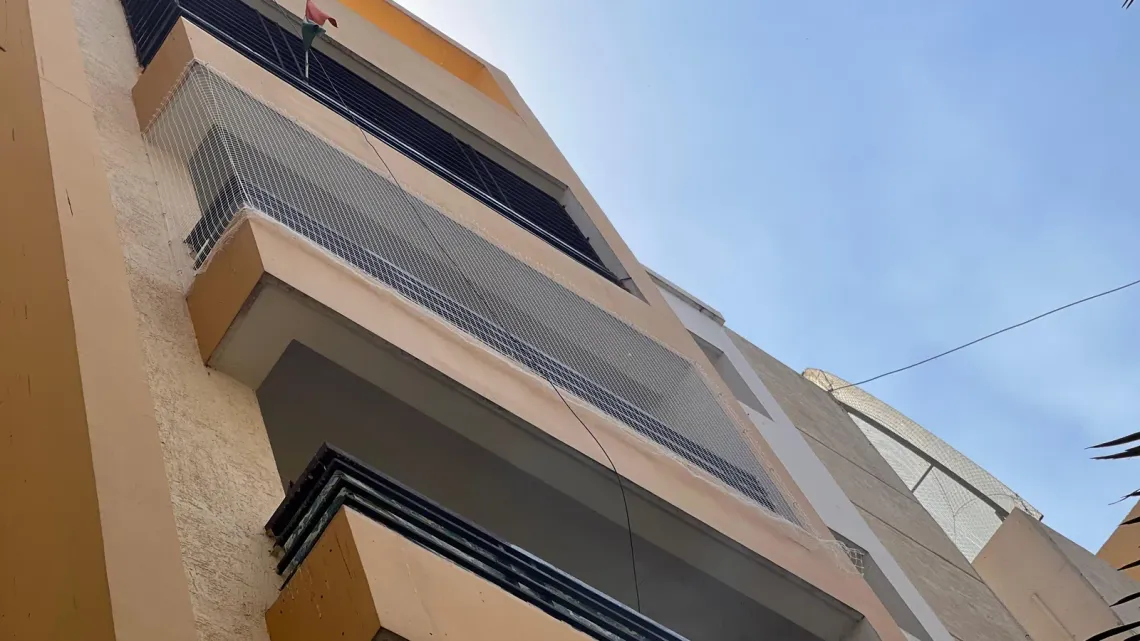
Pigeons on a balcony aren’t just noisy — their droppings carry health risks, damage furniture and railings, and are genuinely difficult to clean once a nesting habit forms. Here’s what actually works to keep them away for good.
Why Pigeons Keep Coming Back
Pigeons return to the same spot for three reasons: shelter, a flat ledge to nest on, and lack of resistance. A balcony with AC units, grill ledges or sheltered corners is especially attractive. Occasional shooing or scaring them off rarely works long-term — they come back within days.
What Doesn’t Work Well
- Reflective tape or fake owls: pigeons habituate to these within a couple of weeks.
- Ultrasonic repellents: mixed evidence, often ineffective in open outdoor spaces.
- One-time cleaning without prevention: droppings and nesting material return almost immediately if the underlying access point isn’t blocked.
What Actually Works: Physical Barriers
The most reliable, humane solution is a physical barrier that blocks access entirely — typically a fine-mesh pigeon net installed tightly around the balcony opening, grill gaps, and AC unit area. Unlike scare tactics, a properly fitted net doesn’t rely on the bird “learning” anything; it simply removes the option.
Key things that make a pigeon net installation effective:
- No gaps larger than the mesh size — pigeons can squeeze through surprisingly small openings, so all edges need to be sealed, not just the main balcony face.
- Tension, not sag — a loose net can trap birds or create gaps at the edges over time.
- UV-stable material — nets left in direct Chennai sun for years need to resist becoming brittle.
Cleaning Up Before Installation
If pigeons have already been nesting, it’s worth a thorough clean (droppings can carry fungal spores) before the net goes up, so you’re not sealing in old nesting material.
Is It Cruel to Block Pigeons?
Netting is considered one of the more humane deterrents available — it doesn’t harm the birds, it simply prevents access to a specific area, and they naturally relocate to another spot rather than being trapped or injured.
Understand the Pigeon Life Cycle
Pigeons can breed several times a year, so an untreated nest today can become a bigger problem within weeks. Eggs and young birds anchor the pigeons to your balcony, which makes them return even after being scared away. Acting early, before a nest is established, is much easier than removing a settled family.
Watch the Seasons
Nesting activity often increases in cooler months, but in a warm city like Chennai pigeons can be active nearly all year. Monsoon rain also pushes birds to shelter under balconies and sun-shades, so a balcony that was quiet in summer can suddenly become popular. Checking your balcony after heavy rain helps you spot early signs like feathers, twigs or droppings.
Protect Duct Areas and Sun-Shades
Balconies are not the only targets. Open duct areas, AC ledges and sun-shades give pigeons flat, sheltered spots. Netting these areas as well as the balcony itself closes the routes birds use to reach your home. A partial fix often moves the problem next door or to another part of the same building.
Keep Food and Water Out of Reach
Leftover grain, open bins and standing water attract birds. Avoid feeding pigeons from your balcony, because even occasional feeding teaches them to return. Cover plant trays and keep dry food sealed.
Choose a Long-Term Solution
Sprays, spikes and scare devices may give short relief, but netting is the option that physically blocks the space. When installed tight and fixed properly, it lasts for years, keeps the view open, and does not harm the birds.
If pigeons have taken over your balcony, a proper pigeon net installation is usually the fastest way to solve the problem permanently. See our Pigeon Nets service page or get a free site visit to have it assessed.